Paper first. Wax next. Metal last.
No step in this sequence is decorative. Each one resolves a question the previous step raised — and nothing moves forward until the answer holds.
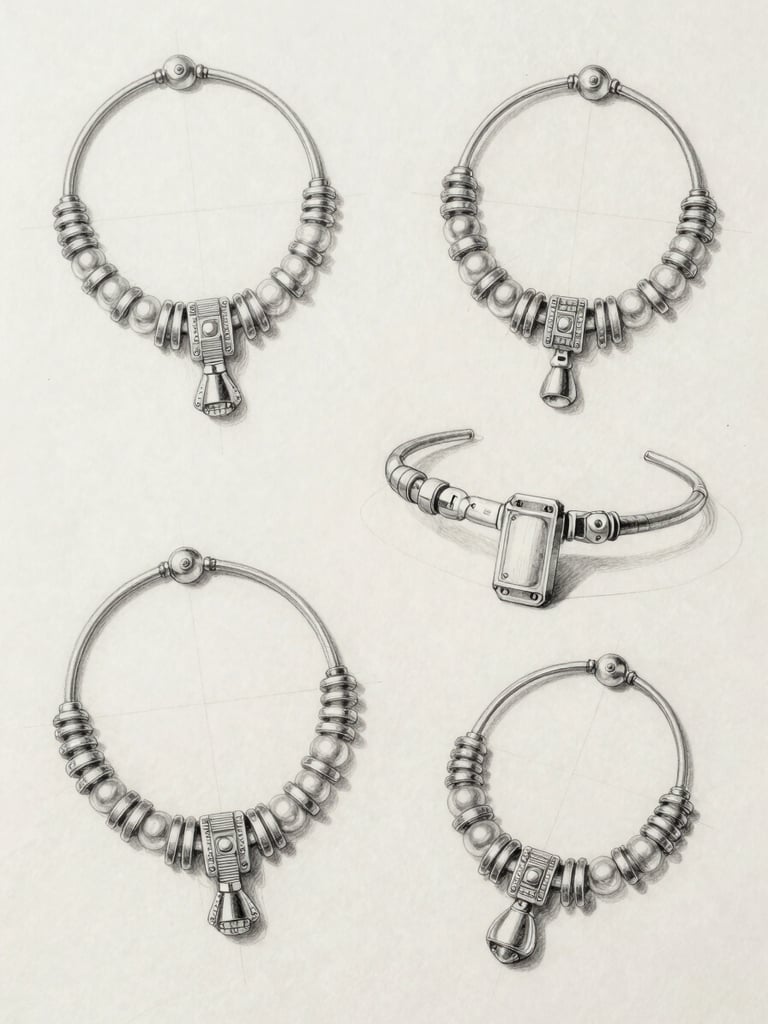
Drawing: iteration before commitment
A commission begins with paper. Multiple rounds of hand-drawn sketches establish proportion, profile, and setting logic before any material is touched. Revisions here cost nothing; revisions in gold cost everything.
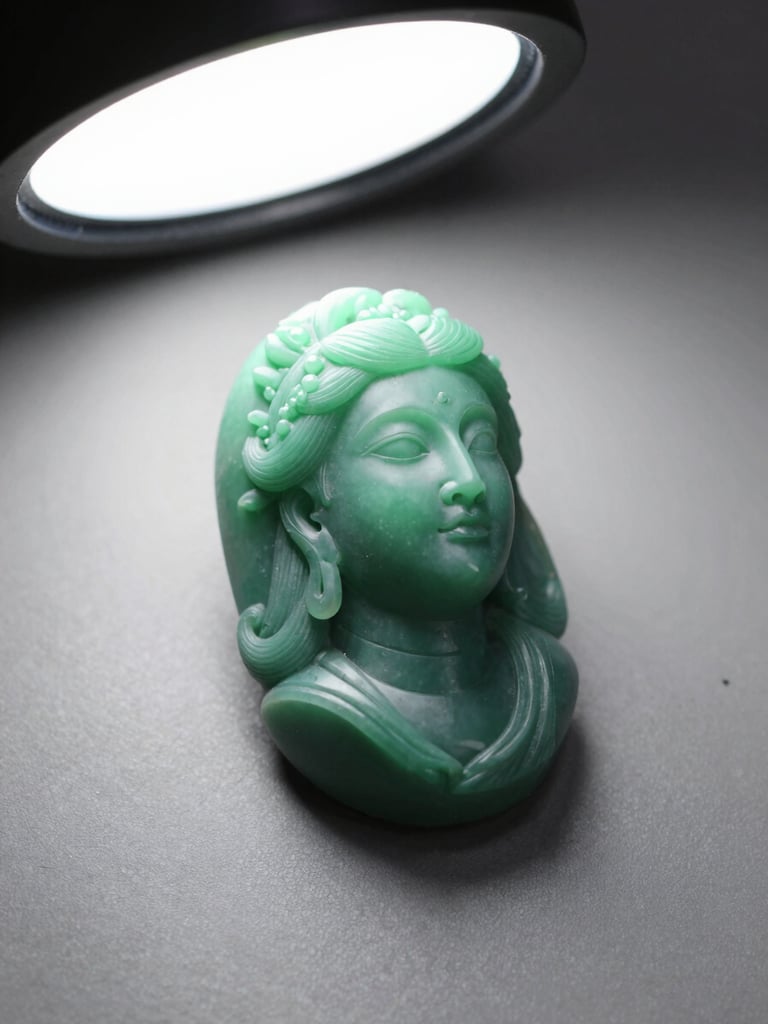
Wax: form resolved before casting
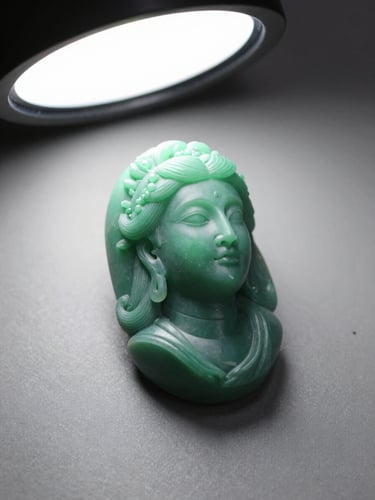
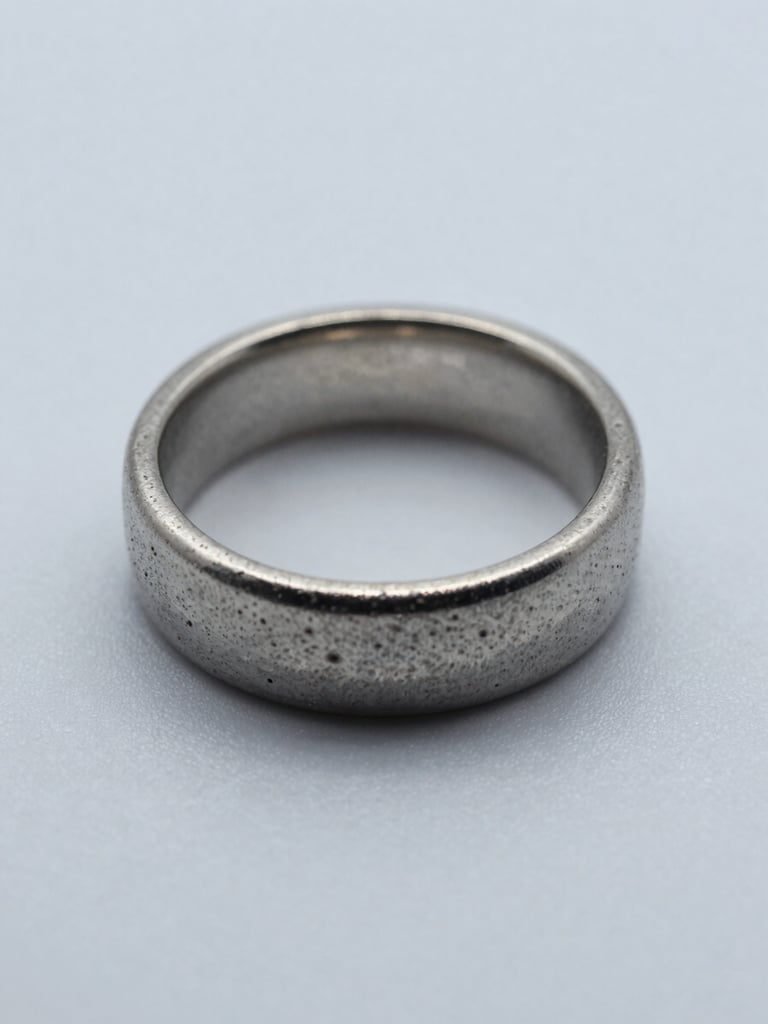
The wax model is where dimension, weight, and fit are decided. It is reviewed and approved by the client as a physical object — not a rendering. Changes happen here, in wax, not after the pour.
Cast: the drawing made permanent
Once the wax is approved, casting locks every decision that preceded it. Finishing and stone-setting follow the technical drawing precisely — the final piece is the drawing, rendered in metal.
A commission is a design conversation, not an order form.
Clients who work with GIAAN participate in each stage — reviewing drawings, approving wax, understanding why each decision was made. That engagement is not optional; it is how the work gets made correctly.
Ready to start on paper?
Bring a reference, a rough idea, or nothing at all. The first conversation is about understanding what the piece needs to do — everything else follows from there.